CouponF5 is an independent publisher. We may earn a commission when you purchase through our links, at no extra cost to you. Merchant terms apply.
In this guide
This Volcanica Coffee buying guide is for US shoppers deciding whether to buy specialty beans by origin, start a recurring delivery, or sample a few coffees before committing to a full bag. Volcanica offers coffees from several growing regions rather than a single house blend, so the best purchase is the one that matches your roast preference, brewing method, order frequency and shipping needs. Start with a one-time bag or a sample pack if you are still learning your taste; consider a subscription only after finding something you genuinely want to drink regularly. This is a research-based buyer guide, not a first-hand taste or freshness test.
What makes Volcanica different from a typical grocery coffee shelf?
Volcanica Coffee Company positions itself around single-origin and specialty coffees sourced from volcanic growing areas. Its official story describes Costa Rican family roots, relationships with coffee producers, and weekly roasting near Atlanta. The catalog allows buyers to explore by growing region, roast, or specialty attributes. This is helpful if you already know you like fruit-forward African profiles or fuller-bodied Indonesian styles. However, a regional name by itself is not a promise that every bag will taste exactly the same, and the company’s sourcing and freshness claims are marketing statements rather than independent laboratory findings.
There is also more to compare than origin: each listing can specify processing method, farm, roast and tasting notes. These details may help you narrow choices, but perceived flavor depends on the particular harvest, grind, water and brewing recipe. A shopper who prefers chocolate and low bitterness should not automatically choose the most exotic-sounding farm. Start from the flavor and acidity you actually enjoy.
Three Volcanica coffees that show how to choose
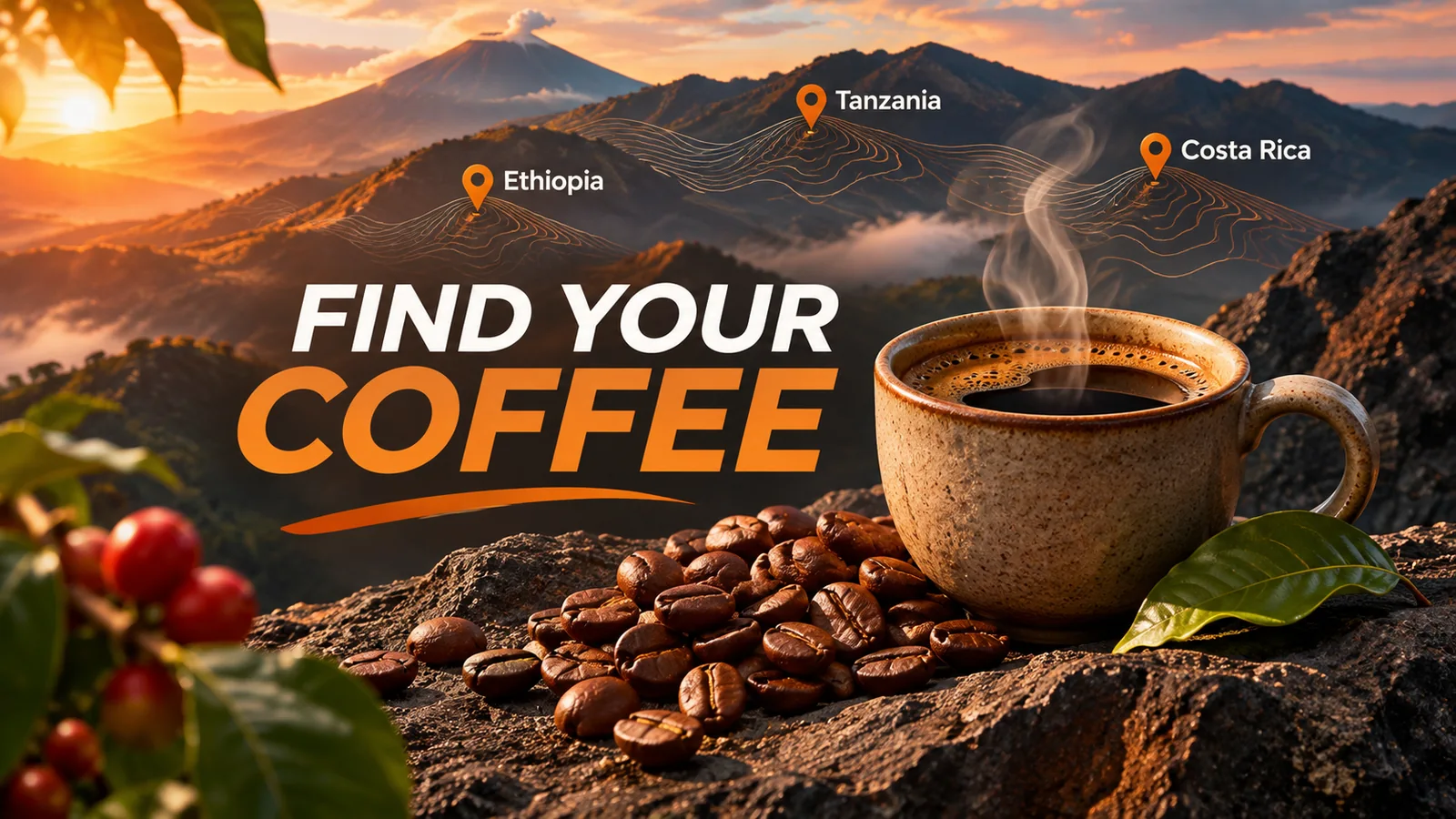
Ethiopian Yirgacheffe: for brighter, fruit-led preferences
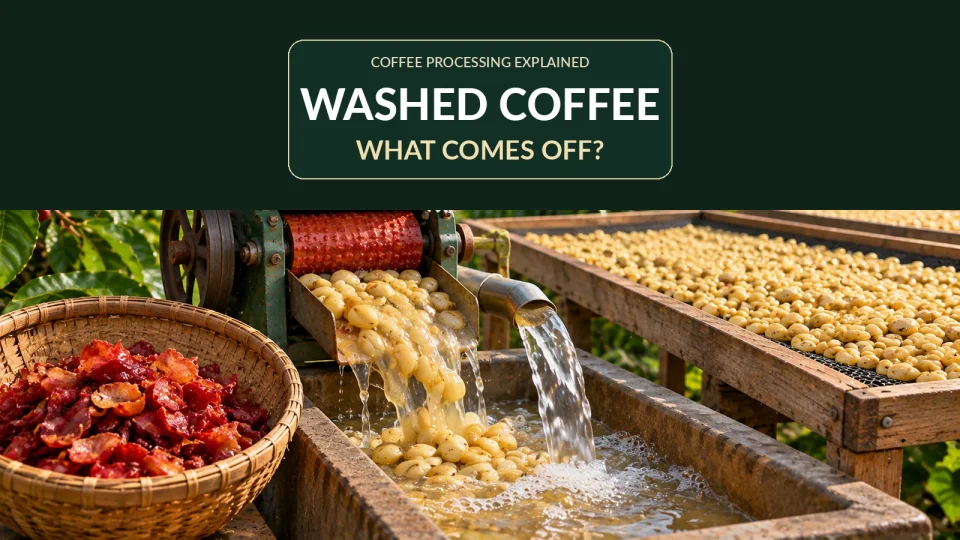
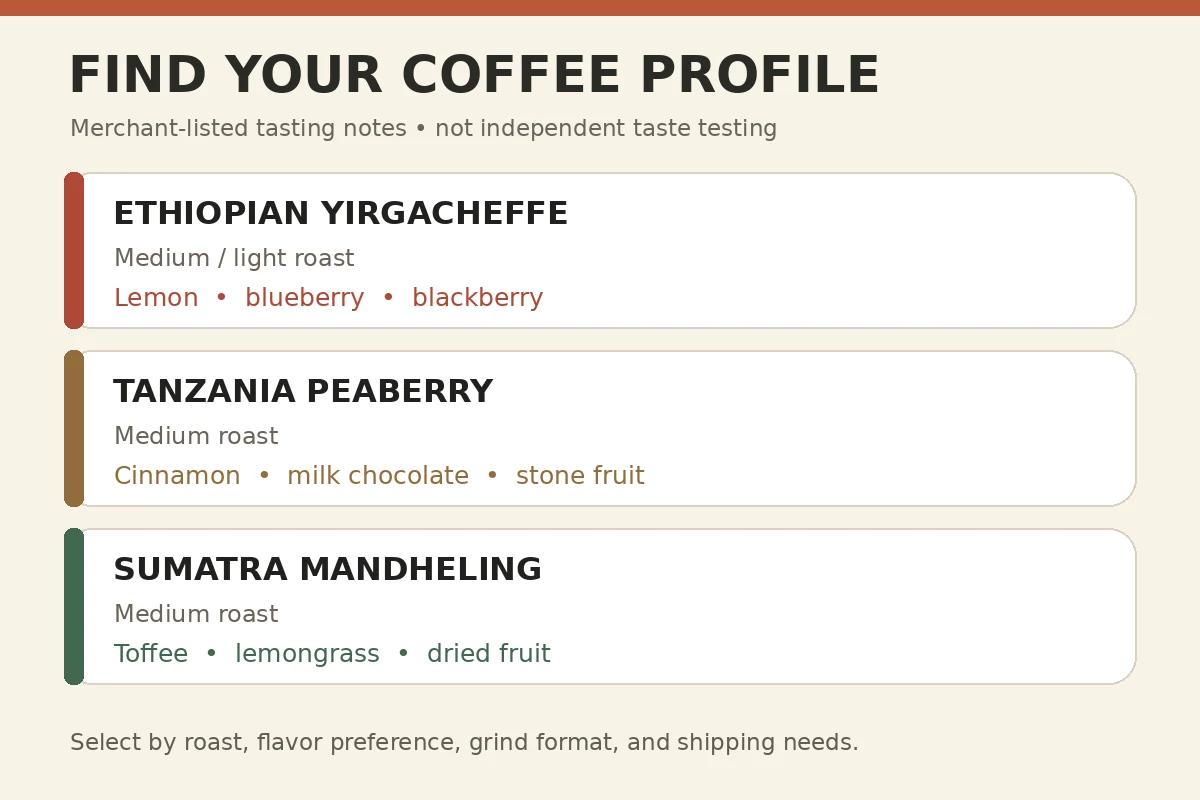
Volcanica lists its Ethiopian Yirgacheffe as a medium-light, USDA Organic coffee with lemon, blueberry and blackberry tasting notes. Its product page identifies the Gedeo Zone and a washed process. This can be a useful shortlist choice for someone curious about aromatic, lively coffees, particularly for a filter method. Those flavor notes describe what the merchant expects in the cup; we have not brewed or tasted the coffee and cannot guarantee a particular fruit flavor in every preparation. Buyers who want a dark, smoky cup may find another roast a better starting point.
Tanzania Peaberry: a medium-roast middle ground
The Tanzania Peaberry listing identifies Kilimanjaro Estate, a medium roast and notes of cinnamon, light milk chocolate and stone fruit. The merchant explains that peaberries develop as one rounded seed rather than the usual two flat-sided seeds inside the cherry. This makes it an interesting option for someone who wants to explore a different bean type without automatically choosing a very light or dark roast. Do not assume the bean shape alone guarantees a premium cup; evaluate roast, freshness and your own preferred extraction method.
Sumatra Mandheling: for a different body and flavor direction
Volcanica’s Sumatra Mandheling coffee is marketed with toffee, lemongrass and dried-fruit tasting notes and a smoother, fuller profile. Those descriptors may appeal to someone who wants an alternative to bright berry-like flavor emphasis. Compare its actual roast level on the selected variant, because the catalog also includes other Sumatran products with distinctly darker roasting profiles. The safest approach is to buy the specific listed coffee, not to assume all coffees from Sumatra taste or brew alike.
Is a sample pack or gift bundle a better first purchase?
If you are new to this kind of coffee, a sample pack can be a more informative purchase than several full bags. Volcanica’s paid Coffee Sample Packs let customers explore small servings of different origins before buying a larger quantity. This is especially useful when your household disagrees about acidity or roast level. It can reduce the waste of discovering that an expensive full-size bag does not match your palate, although it does not guarantee you will like the samples.
Bundles and gift boxes make more sense when you know the recipient’s equipment and preferences. For example, a gift of whole beans may be inconvenient if the recipient has no grinder. Some gift-box shipping exceptions differ from standard coffee shipping, so check the destination and total at checkout. The existence of a gift assortment should not be interpreted as free gifts or savings unless the product page explicitly documents them.
Whole bean or ground: why the format changes your risk
Volcanica lets customers select offered bean or grind options for individual products. Whole beans give people with a suitable grinder more control over preparation and can also matter if a return becomes necessary. Under the company’s published refund policy, only eligible whole-bean coffee can be returned within 30 days of receipt; ground coffee, Kopi Luwak, special orders and clearance products are excluded. Shipping charges are deducted from refunds. A shopper who expects to try a product and then return it should understand these restrictions before choosing the grind option.
Ground coffee may still be the practical choice when convenience is the priority, especially if you cannot grind at home. Just select the appropriate grind for your brewing equipment and treat the order as one you cannot expect to return. If the grinder setting you need is unavailable, ask the merchant rather than ordering an unsuitable format.
One-time order versus Subscribe & Save
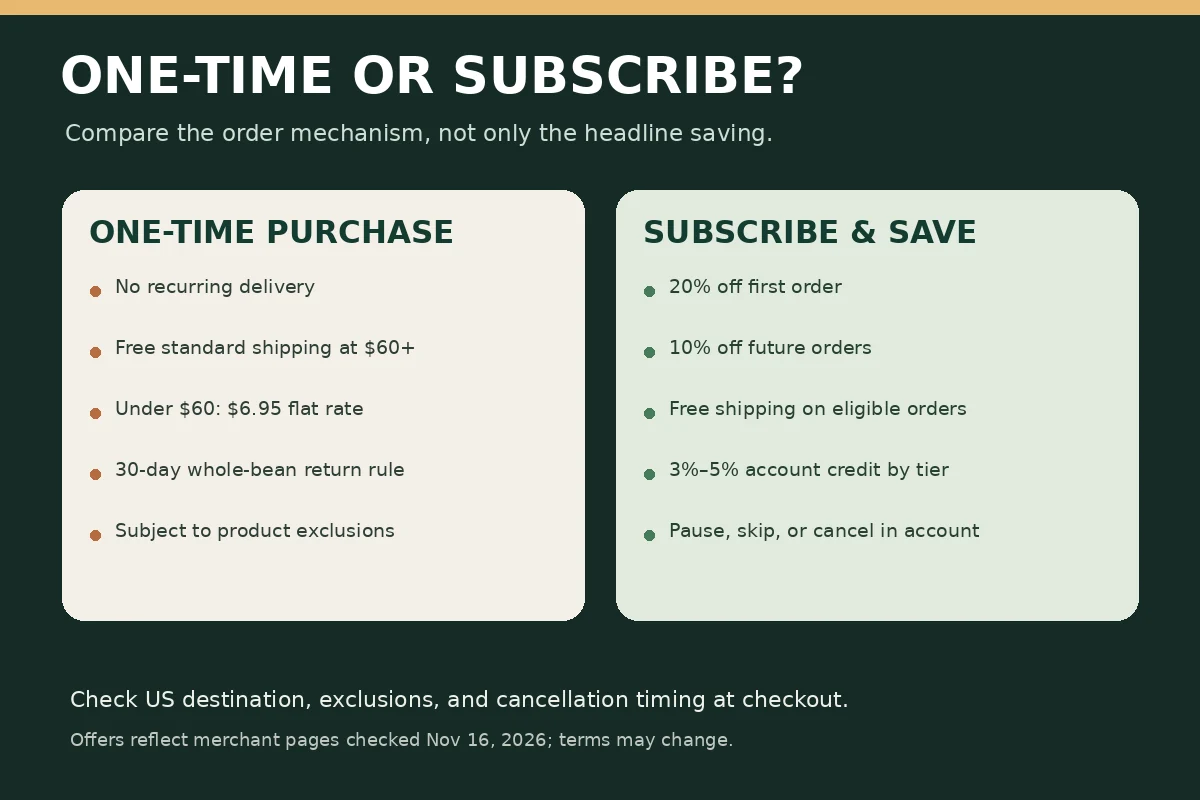
Choose a one-time order when you want flexibility, are testing a new roast, or do not want recurring charges. The official US shipping policy lists free standard shipping for eligible orders of $60 or more and a $6.95 standard flat rate for smaller orders, subject to regional and gift-box exceptions. Check the current shipping policy for the address and service selected. Buying extra coffee just to meet a shipping threshold is not a saving if you will not use it.
Subscribe & Save is aimed at an established habit. Volcanica’s official offer states 20% off the first order, 10% off subsequent shipments, free eligible shipping and a separate cash-back credit program. Customers can choose products and frequency, then manage upcoming shipments in an account. The FAQ describes credits of 3% for the first three subscription orders, 4% for orders four through seven, and 5% beginning with the eighth. These are account credits toward future eligible subscription orders, not instant cash discounts; canceling the subscription can forfeit unused credits. Do not assume that a seasonal one-time promotion stacks with a subscription discount.
What about Coffee Club and recurring delivery?
Coffee Club is a different proposition from replenishing the same favorite bag. The merchant promotes curated selections of three or six coffees in a box and includes qualifying free shipping and oat milk. It is better aligned with exploration or gifting than with a customer who wants one predictable roast every morning. Check the live box contents, monthly total, delivery interval and cancellation controls before joining. The advertised benefit of included milk is specific to the offer and may not be relevant for someone who drinks black coffee.
Trade-offs to understand before buying
Reasons to consider Volcanica: a broad range of named origins, product-level roast and flavor descriptors, sample options, and repeat-delivery controls. It is especially useful if you want to explore regional differences rather than buying whatever is stocked nearby. The published subscription and shipping terms also make it possible to compare single orders with a recurring plan.
Reasons to shop elsewhere: the posted coffee-specific return exclusions, shipping cost on small one-time orders, and extra effort of choosing among many origins. A local roaster may be more convenient if you want to ask questions in person or pick up beans immediately. A lower-cost supermarket coffee may be the better value if you are not interested in exploring origin or processing characteristics. It is not possible to establish an overall winner without brewing comparable coffees under comparable conditions.
Practical ordering checklist
- Choose your flavor direction: bright and fruit-led, balanced and sweet, or fuller and deeper.
- Check the exact bag’s roast, processing, format, weight and displayed price rather than relying on a category label.
- Confirm that you have a compatible grinder or choose an available ground-coffee option with the return restriction in mind.
- Compare the one-time cart and eligible subscription plan, including future charges, shipping and any noncash account credits.
- Check whether a current seasonal deal applies to your specific cart; a threshold offer is not universal.
- Review the refund exclusions and shipping terms before final checkout.
Final buying recommendation
For a first purchase, pick one clearly described roast or a sample pack, and pay attention to what you actually enjoy. Return for a full bag once you have a reference point. If you settle on a favorite and know your consumption rate, compare Subscribe & Save with one-time orders over several shipments, treating reward credits separately from immediate discounts. Volcanica is a reasonable place to explore specialty-coffee variety, but the right purchase depends on taste, equipment and total cost—not a promotional headline. This guide uses merchant-published facts and original selection analysis; we did not taste or test the coffees or redeem any promotion.